As children across Glasgow return to school for the autumn term, parents often focus on academic preparation and classroom supplies. However, equally important is supporting children’s confidence and social-emotional development during this transition period. This comprehensive guide explores how regular play sessions at Fun Street can significantly boost school confidence, providing children with the physical, social, and emotional skills they need to thrive in educational settings.
Understanding School Confidence 🧠
School confidence encompasses multiple dimensions that affect a child’s educational experience and outcomes.
What Is School Confidence?
School confidence includes several interconnected elements:
•Academic Self-Efficacy: Belief in ability to learn and master subjects
•Social Confidence: Comfort in peer interactions and group settings
•Environmental Comfort: Familiarity with navigating school spaces and routines
•Performance Confidence: Willingness to participate and demonstrate skills
•Resilience: Ability to recover from mistakes and setbacks
The Confidence-Achievement Link
Confidence and school success tend to move together:
A child who believes they are capable will attempt harder tasks, stay with them longer and recover better from mistakes, and that persistence is what turns into real competence. Confidence is not a substitute for ability, but it decides how much of it a child is willing to use.
Common Confidence Challenges
Typical issues affecting school-age children:
•Transition Anxiety: Nervousness about new classrooms or schools
•Comparison Concerns: Measuring themselves against peers
•Performance Pressure: Fear of making mistakes publicly
•Social Uncertainty: Worries about friendship and belonging
•Skill Gaps: Awareness of areas needing development
Signs of Confidence Issues
Indicators that may suggest confidence challenges:
•Reluctance: Avoiding school or specific activities
•Physical Complaints: Headaches or stomachaches on school days
•Negative Self-Talk: “I can’t” or “I’m not good at” statements
•Withdrawal: Reduced participation in class activities
•Perfectionism: Extreme frustration with mistakes
The Play-Confidence Connection 🔄
Structured play environments offer unique benefits for building school confidence.
The Science Behind Play and Confidence
Research-backed connections:
•Mastery Experiences: Successful play challenges create belief in capabilities
•Graduated Challenges: Progressive difficulty building competence step-by-step
•Low-Stakes Practice: Trying new skills without academic pressure
•Embodied Learning: Physical experiences creating deeper neural connections
•Positive Associations: Joy during skill development enhancing retention
Transfer of Skills
How play abilities support school performance:
•Cross-Domain Application: Physical confidence extending to academic settings
•Cognitive Connections: Problem-solving approaches applying across contexts
•Social Transferability: Friendship skills moving between play and school
•Emotional Carryover: Regulation strategies working in multiple environments
•Confidence Generalization: “I can” attitude spreading to new challenges
Fun Street’s Confidence-Building Design
Specific environmental elements supporting confidence:
•Multi-Level Challenges: Activities with varied difficulty supporting progressive mastery
•Diverse Play Options: Multiple types of play catering to different strengths
•Social Facilitation: Spaces designed for positive peer interaction
•Success Opportunities: Achievable challenges ensuring positive experiences
•Supportive Atmosphere: Encouraging environment for skill development
Physical Skills That Transfer to School 💪
Physical abilities developed through play directly support school readiness and performance.
Gross Motor Confidence
Large movement skills supporting school activities:
•Playground Navigation: Confidence in climbing, running, and playing during breaks
•Physical Education Participation: Willingness to join games and sports
•Classroom Movement: Comfortable changing activities and locations
•Postural Control: Ability to sit appropriately during lessons
•Movement Coordination: Smooth transitions between different physical tasks
Fine Motor Development
Small movement skills essential for classroom tasks:
•Pencil Control: Handwriting and drawing abilities
•Scissor Skills: Cutting for art and craft activities
•Manipulation Precision: Managing small classroom materials
•Self-Care Competence: Managing clothing, lunch items, and personal belongings
•Tool Usage: Confidence with classroom implements and materials
Physical Confidence Progression
Developmental sequence through regular play:
| Physical Skill | Play Development | School Application |
| Balance | Beam walking, unstable surfaces | Sitting still, physical education activities |
| Coordination | Climbing, obstacle courses | Handwriting, sports participation |
| Strength | Climbing walls, overhead activities | Carrying school bags, playground activities |
| Spatial awareness | Navigating play structures | Classroom movement, personal space management |
| Endurance | Extended active play | Maintaining focus throughout school day |
The Climbing Frame Advantage
Specific benefits of Fun Street’s climbing feature:
•Bilateral Coordination: Using both sides of the body together
•Cross-Midline Movement: Essential for reading and writing development
•Risk Assessment: Judging personal capabilities accurately
•Sequential Planning: Mapping routes and following through
•Perseverance: Continuing despite challenges
Social Development Through Play 👥
Play environments provide crucial opportunities for developing school-relevant social skills.
Friendship Formation Skills
Building peer relationships:
•Approach Strategies: Initiating positive contact with others
•Common Interest Identification: Finding shared activities
•Cooperation Foundations: Working together toward play goals
•Sharing Practices: Managing resources and taking turns
•Inclusion Behaviors: Welcoming others into activities
Group Dynamics Navigation
Managing social complexity:
•Role Flexibility: Alternating between leading and following
•Rule Understanding: Learning and following group expectations
•Conflict Resolution: Addressing disagreements constructively
•Group Entry Skills: Joining established play appropriately
•Social Hierarchy Navigation: Understanding peer group structures
Communication in Play
Verbal and non-verbal interaction:
•Play Negotiation: Expressing ideas and compromising
•Non-Verbal Reading: Interpreting facial expressions and body language
•Listening Skills: Taking in others’ perspectives and ideas
•Assertiveness Practice: Expressing needs appropriately
•Humor Development: Sharing joy and managing playful teasing
Social Confidence Indicators
Signs of growing social capability:
•Initiation Increase: More frequently starting interactions
•Conflict Reduction: Fewer disagreements or faster resolution
•Friendship Stability: Maintaining consistent peer relationships
•Group Participation: Comfortable joining larger activities
•Social Problem-Solving: Independently managing social challenges
Emotional Resilience Building ❤️
Play environments help children develop emotional skills essential for school success.
Emotional Regulation Development
Managing feelings effectively:
•Excitement Modulation: Controlling enthusiasm appropriately
•Frustration Tolerance: Persisting through difficulties
•Disappointment Management: Handling when things don’t go as planned
•Emotion Identification: Recognizing and naming feelings
•Regulation Strategies: Techniques for calming and self-control
Failure Recovery Skills
Building resilience through play:
•Risk-Taking Comfort: Willingness to attempt challenging activities
•Mistake Normalization: Understanding errors as part of learning
•Recovery Speed: Quickly bouncing back from setbacks
•Strategy Adjustment: Trying new approaches after unsuccessful attempts
•Perseverance Development: Continuing despite difficulties
Confidence-Building Experiences
How play creates emotional strength:
•Graduated Challenges: Success with progressively difficult activities
•Peer Observation: Seeing others overcome similar obstacles
•Supportive Encouragement: Positive reinforcement from parents and staff
•Autonomous Choice: Building confidence through self-directed activities
•Mastery Recognition: Acknowledging and celebrating achievements
Emotional Vocabulary Expansion
Developing language for feelings:
•Nuanced Expression: Moving beyond basic “happy/sad” descriptions
•Emotional Cause-Effect: Understanding triggers and reactions
•Empathy Development: Recognizing others’ emotional states
•Feeling Validation: Accepting all emotions as normal
•Solution Language: Vocabulary for resolving emotional challenges
Communication Skills Enhancement 🗣️
Play environments foster communication abilities that transfer directly to classroom settings.
Verbal Development
Speaking and listening skills:
•Vocabulary Expansion: Learning new words through play contexts
•Narrative Construction: Creating and sharing play stories
•Question Formation: Developing inquiry skills through curiosity
•Instruction Following: Understanding and acting on verbal directions
•Explanation Skills: Describing activities and rules to others
Non-Verbal Communication
Beyond-words interaction:
•Body Language Reading: Interpreting physical cues
•Gesture Development: Using movement to enhance communication
•Facial Expression Interpretation: Understanding emotional signals
•Personal Space Awareness: Appropriate physical positioning
•Active Listening Posture: Showing attention through body language
Confidence in Expression
Developing communication comfort:
•Public Speaking Foundations: Talking in front of others during play
•Opinion Sharing: Expressing preferences and ideas
•Help-Seeking Comfort: Asking questions when needed
•Conflict Verbalization: Using words instead of actions when upset
•Self-Advocacy: Expressing needs and boundaries appropriately
Communication in Different Contexts
Adaptability in interaction:
•Peer Communication: Child-to-child interaction styles
•Adult Interaction: Appropriate communication with authority figures
•Group Discussion: Contributing to multi-person conversations
•One-on-One Exchange: Focused communication with a single person
•Environmental Adjustment: Modifying volume and tone for different settings
Creating Confidence-Building Routines 📅
Establishing regular play sessions maximizes confidence development for school success.
Optimal Frequency Patterns
Research-based recommendations:
•Weekly Consistency: Regular sessions establishing progress patterns
•Post-School Timing: Play sessions after challenging school days
•Weekend Recharging: Confidence building before the school week
•Holiday Maintenance: Continuing development during school breaks
•Special Milestone Visits: Celebrating school achievements through play
Balancing Structure and Freedom
Creating the right routine mix:
•Scheduled Consistency: Regular planned visits building security
•Spontaneous Additions: Occasional extra visits for specific needs
•Child Input: Involving children in visit planning
•Progression Focus: Intentionally revisiting challenging activities
•Reflection Integration: Discussing school connections during visits
Complementary Activities
Enhancing play-school connections:
•School Skill Identification: Noticing which play activities support specific school challenges
•Teacher Communication: Sharing observations about play-based progress
•Home Reinforcement: Simple activities extending play benefits
•School-Play Conversations: Discussing how play skills help at school
•Celebration Connection: Recognizing achievements across contexts
Family Involvement Approaches
Maximizing parent/carer roles:
•Active Participation: Joining children in confidence-building activities
•Supportive Observation: Watching and acknowledging achievements
•Guided Reflection: Helping children connect play skills to school situations
•Challenge Encouragement: Gently promoting attempts at difficult activities
•Progress Documentation: Recording development over time
Age-Specific Confidence Needs 📊
Different school stages present unique confidence challenges that play can address.
Early School Years (4-6)
Foundation stage confidence building:
•Separation Comfort: Developing independence from parents
•Basic Social Skills: Learning fundamental friendship approaches
•Routine Adaptation: Becoming comfortable with structured schedules
•Instruction Following: Understanding and completing directed tasks
•Self-Care Mastery: Managing personal needs independently
Middle Primary (7-9)
Developing academic and social confidence:
•Academic Risk-Taking: Willingness to attempt challenging learning
•Friendship Navigation: Managing more complex social dynamics
•Skill Comparison: Healthy perspective on different ability levels
•Public Performance: Comfort sharing work and ideas with others
•Responsibility Handling: Managing homework and school obligations
Upper Primary (10-12)
Preparing for secondary transition:
•Identity Development: Strengthening sense of personal strengths
•Peer Pressure Navigation: Maintaining confidence amid social expectations
•Advanced Academic Demands: Tackling more complex learning tasks
•Leadership Emergence: Taking initiative in group situations
•Transition Readiness: Preparing for secondary school changes
Fun Street’s Age-Appropriate Zones
How different areas support specific age needs:
•Toddler Zone: Early confidence foundations (though pre-school age)
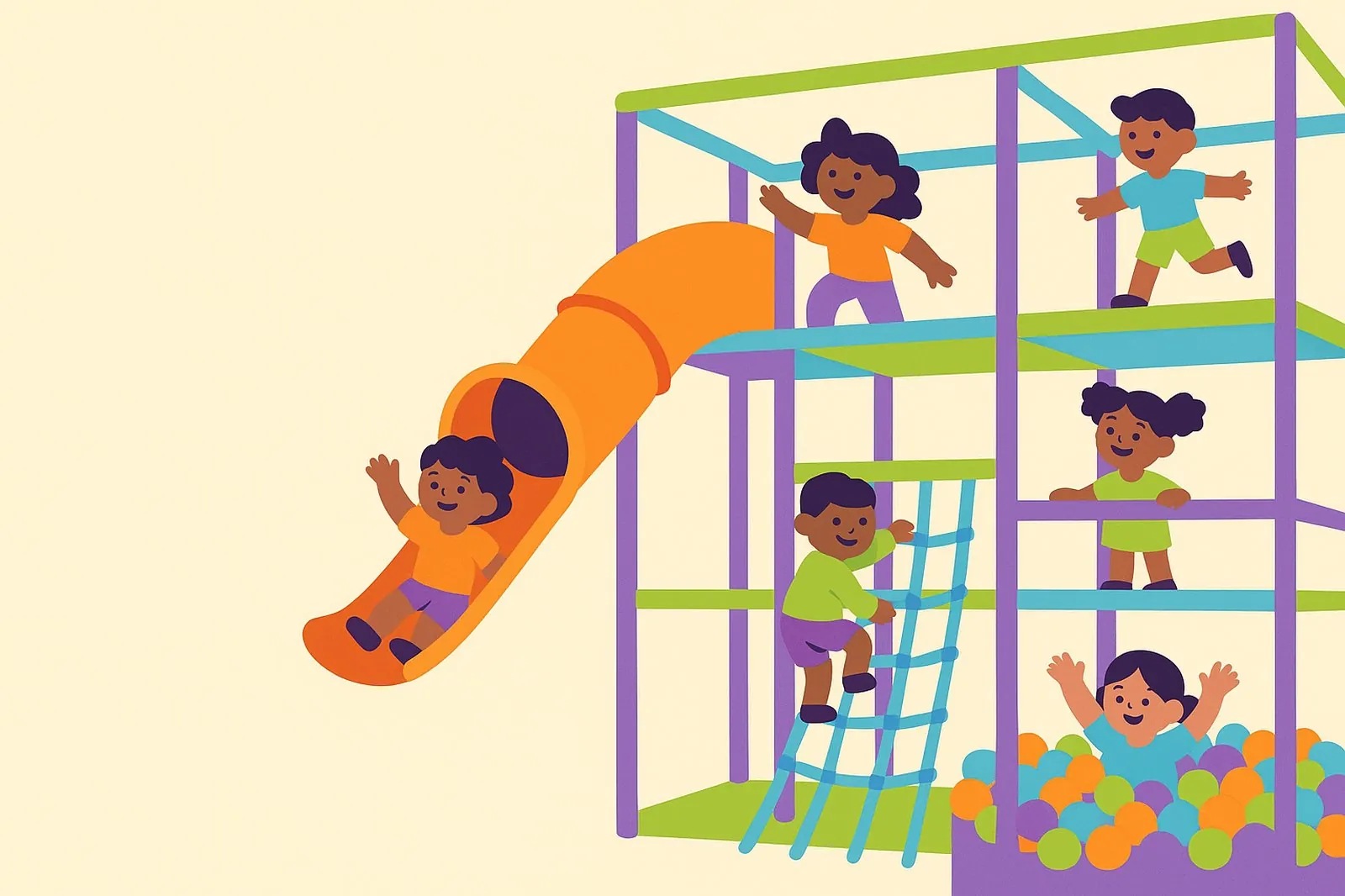
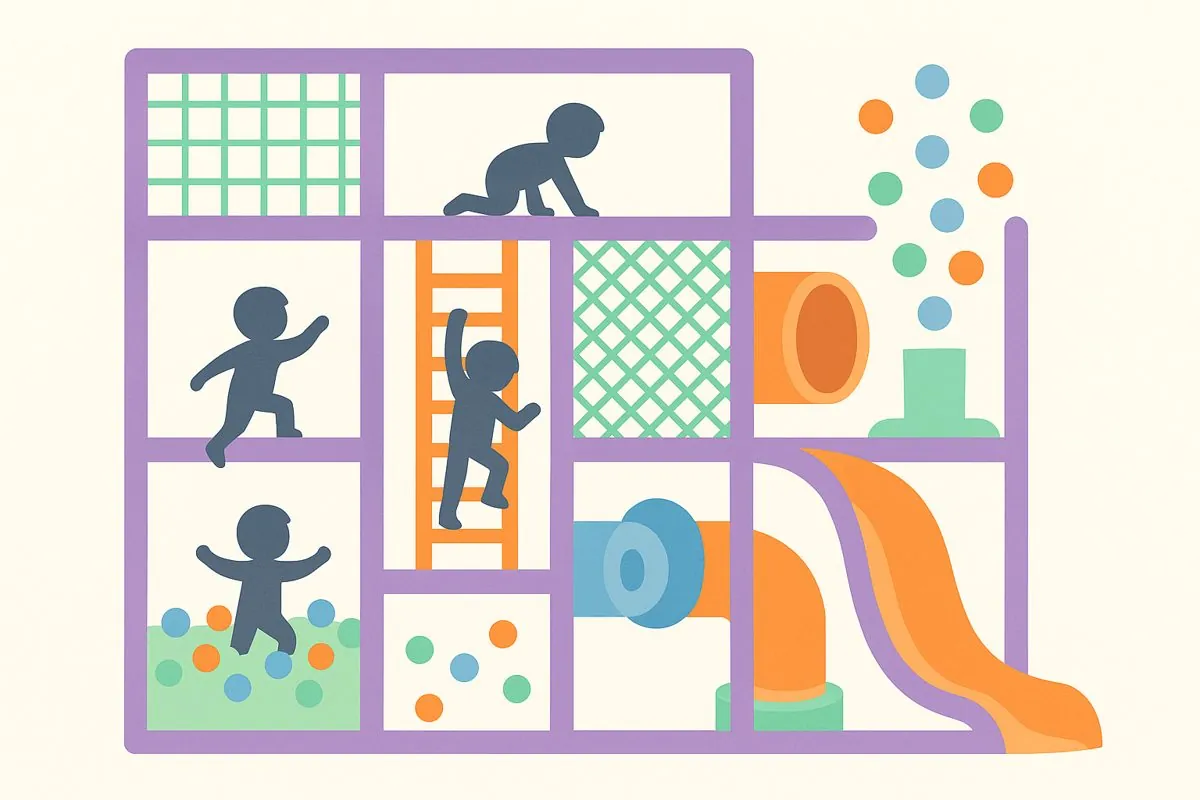
•Main Play Frame: Multi-age challenges for progressive development
•Climbing Frames: Advanced physical challenges for older children
•Interactive Games: Age-appropriate digital and physical challenges
•Group Activity Spaces: Social skill development areas
Measuring Confidence Growth 📈
Recognizing and tracking confidence development through regular play.
Observable Indicators
Signs of increasing confidence:
•Challenge Approach: More readily attempting difficult activities
•Recovery Speed: Quicker bouncing back from disappointments
•Social Initiation: Increased instances of starting interactions
•Verbal Participation: More frequent and extended communication
•Body Language: More open and assertive physical presence
School-Based Evidence
Classroom confidence markers:
•Teacher Feedback: Reports of increased participation
•Academic Risk-Taking: Willingness to attempt challenging work
•Question Asking: More comfortable seeking clarification
•Friendship Quality: Stronger and more positive peer relationships
•Performance Comfort: Reduced anxiety during presentations or assessments
Progress Documentation Methods
Tracking development over time:
•Confidence Journal: Notes about new skills and attempts
•Photo Timeline: Visual record of activity progression
•Achievement Celebration: Recognizing milestones in development
•Child Self-Assessment: Age-appropriate reflection on growth
•Skill Checklists: Tracking specific confidence-related abilities
Long-Term Impact Assessment
Understanding extended benefits:
•School Attendance: Improved attendance and reduced reluctance
•Academic Progress: Enhanced learning outcomes through confidence
•Extracurricular Participation: Greater willingness to join activities
•Leadership Emergence: Taking initiative in appropriate situations
•Resilience Demonstration: Handling setbacks more effectively
Frequently Asked Questions ❓
How quickly can I expect to see confidence improvements from regular play sessions?
Confidence development varies by child, but most parents notice changes within 4-6 weeks of regular play sessions. Initial signs often include:
1.Attempting new physical challenges more readily
2.Recovering more quickly from disappointments
3.Initiating social interactions more frequently
4.Talking more about accomplishments
5.Showing increased willingness to try new things at school
For children with significant confidence challenges, progress may be more gradual. Consistency is key, weekly sessions typically show better results than occasional visits. Many parents report that teachers notice changes at school before they observe them at home, as children often apply new confidence in educational settings first.
My child is struggling with specific school subjects. Can play sessions really help academic confidence?
Yes, play-based confidence often transfers to academic settings in meaningful ways. While play doesn’t teach specific curriculum content, it develops foundational skills and attitudes that support academic learning:
•Physical activities improve focus and concentration
•Problem-solving during play enhances critical thinking
•Overcoming play challenges builds perseverance for difficult subjects
•Social confidence from play reduces anxiety that can block learning
•Success experiences in non-academic settings create a general “I can do it” attitude
For specific academic challenges, try discussing the connection explicitly: “Remember how you kept trying until you reached the top of the climbing wall? You can use that same determination with your maths problems.”
How can I help my child connect their play experiences to school confidence?
Creating explicit connections helps children transfer confidence between settings:
1.Have brief conversations about school challenges before play sessions
2.During play, point out skills they’re using that help at school (e.g. “You’re showing great focus right now”)
3.After play sessions, reflect together on achievements
4.Use consistent language about effort and persistence across both contexts
5.Celebrate when you notice play skills being applied at school
6.Share observations with teachers so they can reinforce the connections
7.Create simple phrases your child can remember when facing school challenges (e.g. “I climbed the wall, I can try this too”)
These connections help children consciously apply their play-based confidence to academic and social challenges.
Are there specific Fun Street activities that best support school confidence?
Different Fun Street activities support various aspects of school confidence:
•Climbing Frames: Build perseverance and goal setting that applies to academic challenges
•Multi-Level Play Frame: Develops navigation confidence that transfers to school environment comfort
•Ball Pit Area: Supports sensory regulation helpful for classroom focus
•Group Activity Zones: Enhance social skills directly applicable to classroom interactions
•Role Play Areas: Develop communication skills essential for class participation
For maximum benefit, encourage your child to try various activities rather than sticking exclusively to favorites. Each area develops different confidence-building skills. Staff can recommend specific activities based on your child’s age and particular confidence needs.
How do I balance pushing my child to try confidence-building activities with respecting their comfort zone?
Finding this balance is key to effective confidence development:
1.Start with activities slightly beyond current comfort level, not drastically challenging
2.Use “scaffolding”, initially provide support, then gradually reduce it
3.Offer choices between two challenging options rather than forcing one specific activity
4.Model trying new things yourself to demonstrate healthy risk-taking
5.Praise effort and attempts regardless of outcome
6.Respect when a child is genuinely not ready, but revisit challenges later
7.Discuss the growth that happens outside comfort zones in age-appropriate ways
The goal is “optimal challenge”, activities difficult enough to build confidence when accomplished but not so difficult they create anxiety or failure. This sweet spot varies for each child and may change over time.
As the new school term begins, integrating regular Fun Street play sessions into your family routine provides children with valuable opportunities to develop the confidence they need for educational success. The physical, social, and emotional skills cultivated through structured play create a foundation that supports classroom learning, peer relationships, and overall school adjustment.
By understanding the specific confidence needs of your school-age child and intentionally using play experiences to address them, you can help transform potential school anxieties into self-assured participation. The confidence gained through overcoming physical challenges, navigating social interactions, and building emotional resilience at Fun Street transfers directly to the school environment, creating a positive cycle of growth and achievement.
For more information about how Fun Street supports children’s school confidence, explore our main play area information or check our pricing details to plan your regular confidence-building sessions.
Find Us 📍
Fun Street Soft Play Glasgow
Silverburn Shopping Centre
Barrhead Rd
Glasgow G53 6AG
United Kingdom